




Blog posts

Why Tropical Fish Raising Outdoors Grow Faster
If you've ever wondered why your outdoor fish seem to be thriving while your indoor aquarium buddies are moving at a snail's pace, you're onto something real. There's actually solid science behind why tropical fish raised outdoors tend to grow faster and healthier than their indoor counterparts. Whether you're a seasoned aquarist or just getting started with your first fish tank, understanding these growth advantages might just change how you approach fish keeping. Let's dive into the fascinating world of outdoor fish raising and discover why nature's setup beats our best indoor efforts.
Natural Sunlight and UV Exposure
One of the biggest game-changers when it comes to outdoor fish raising is the power of natural sunlight. When your fish are exposed to real sunlight, they're getting the full spectrum of light that they'd experience in their natural habitats. This isn't just about visibility – it's about biology.
Natural sunlight provides UVA and UVB rays that indoor lighting simply can't replicate, no matter how fancy your LED setup is. These UV rays play a crucial role in vitamin D3 synthesis, which is essential for calcium absorption and bone development in fish. When fish get adequate UV exposure, their skeletal systems develop more robustly, and their overall physical structure becomes stronger and more resilient.
The intensity of natural sunlight also triggers better color development in tropical fish. You'll notice that fish raised outdoors often display more vibrant colors and patterns compared to their indoor-raised siblings. This isn't just cosmetic – it's a sign that the fish's metabolism is working optimally. The increased light exposure stimulates the production of pigment cells, leading to more striking appearances and healthier skin conditions.
Water Temperature Consistency
Here's something that might surprise you: outdoor water temperatures are often more stable than we think, especially when you're dealing with a properly sized pond or container. While it's true that outdoor temperatures fluctuate with seasons, the water itself maintains remarkable consistency throughout the day and night, thanks to its thermal mass.
This temperature stability is absolutely crucial for fish growth. When fish don't have to expend energy dealing with temperature fluctuations, they can dedicate more resources to growth and development. Their metabolism runs more efficiently at consistent temperatures, which means faster digestion, better nutrient absorption, and ultimately, quicker growth rates.
Tropical fish thrive in warm water, and outdoor environments in warmer climates provide that naturally. The sun's heat warms the water gradually and consistently, creating an ideal environment for metabolic processes. Fish in these conditions show increased appetite, better feed conversion rates, and more active behavior – all of which contribute to faster growth.
Oxygen Levels and Water Quality
Outdoor environments naturally provide superior water oxygenation compared to most indoor setups. The constant movement of water from wind, rain, and natural water circulation ensures that oxygen levels remain high. Additionally, outdoor ponds benefit from natural aeration through waterfalls, fountains, or simply the movement of the water surface.
Higher oxygen levels mean that fish can breathe more efficiently, which directly impacts their energy levels and growth potential. Fish in well-oxygenated water are more active, eat more, and convert food to body mass more effectively. It's like the difference between exercising at sea level versus at high altitude – the oxygen availability makes a real difference.
Beyond oxygen, outdoor water systems often benefit from natural filtration processes. Beneficial bacteria colonies establish themselves more robustly in outdoor environments, and plants contribute to nutrient cycling. The water quality in a well-maintained outdoor pond often surpasses even carefully maintained indoor aquariums, with more stable pH levels and better nutrient balance.
Diet and Natural Food Sources
One of the most underrated advantages of outdoor fish raising is access to natural food sources. When your fish are outside, they're exposed to a whole ecosystem of potential food items. Algae, small insects, zooplankton, and other microorganisms provide supplemental nutrition that's incredibly valuable for growth.
This natural diet variety means your fish are getting a broader spectrum of nutrients than you could possibly provide with commercial fish food alone. They're consuming live foods that are packed with enzymes, proteins, and micronutrients that promote faster growth and better health. The act of hunting and foraging also stimulates their natural behaviors, keeping them mentally engaged and physically active.
Even if you're still supplementing with quality commercial fish food, the addition of these natural food sources creates a more complete nutritional profile. Your fish are essentially getting a gourmet diet compared to the standard fare of indoor-only fish.
Space and Exercise
Fish need room to move, and outdoor ponds provide significantly more space than most indoor aquariums. This extra space isn't just nice to have – it's essential for proper development. Fish that have room to swim develop stronger muscles, better cardiovascular systems, and more robust body structures.
The increased exercise that comes with larger environments leads to better muscle tone and faster growth. Fish in spacious outdoor ponds are constantly swimming, exploring, and interacting with their environment in ways that indoor fish simply can't replicate. This activity level directly translates to faster growth rates and healthier overall development.
Reduced Stress Factors
Stress is a major growth inhibitor in fish. Indoor aquariums, despite our best efforts, often expose fish to various stressors: artificial lighting cycles, vibrations from equipment, sudden temperature changes, and limited space. Outdoor environments, by contrast, provide a more naturalistic setting that reduces stress significantly.
When fish are less stressed, their bodies can dedicate more energy to growth rather than stress response. Cortisol levels remain lower, allowing for better appetite and more efficient nutrient utilization. The natural day-night cycle, the presence of plants, and the overall naturalistic environment all contribute to a calmer, more content fish population.
JustFishyThing Recommendation
If you're thinking about trying outdoor fish raising, certain species are particularly well-suited to this approach. At JustFishyThing, we recommend starting with hardy species like mollies and guppies if you're in a warmer climate. These fish are incredibly adaptable and will thrive in outdoor pond environments. Bettas can also do well outdoors in appropriate conditions, though they require careful monitoring. The hand-selected specimens from JustFishyThing are bred to be resilient and healthy, making them excellent candidates for outdoor raising with our live arrival guarantee.
Conclusion
The evidence is clear: tropical fish raised outdoors grow faster and healthier than their indoor counterparts. The combination of natural sunlight, consistent water temperatures, superior oxygen levels, natural food sources, increased space, and reduced stress creates an optimal environment for growth. While indoor aquariums certainly have their place, there's something special about giving your fish the opportunity to experience a more natural setting.
If you have the space and climate to support an outdoor fish raising setup, it's absolutely worth exploring. Your fish will reward you with faster growth, better colors, and more natural behaviors. And if you're looking for quality fish to start your outdoor adventure, JustFishyThing has you covered with expert-bred specimens and fast US shipping. Your tropical fish are ready to thrive – all they need is the right environment to show you what they're truly capable of.

What to Expect When Ordering Betta Fish Online
So you've decided to bring home a betta fish, and you're thinking about ordering one online. Maybe you've heard about JustFishyThing, or perhaps you're just curious about what the whole experience entails. Either way, you're in for a treat! Ordering betta fish online might seem intimidating at first, but when you know what to expect, it becomes an exciting and straightforward process. This guide will walk you through everything from the moment you start browsing until your beautiful new betta is settling into their home.
Let me be honest with you – ordering fish online used to feel risky. You couldn't see the fish in person, you had to trust the breeder, and there was always that nagging worry about whether your fish would arrive healthy and happy. But things have changed dramatically. With reputable breeders like JustFishyThing leading the way since 2022, ordering betta fish online has become not just viable, but often preferable to buying from local pet stores. Why? Because you're getting hand-selected, expertly bred fish with a live arrival guarantee and fast US shipping. That's peace of mind right there.
Before You Order: Getting Ready for Your New Betta
Before you even think about clicking that "add to cart" button, there's some important preparation work to do. This is actually one of the most crucial steps in the entire process, and I can't stress this enough – don't skip it!
Setting Up Your Tank
First things first: you need a proper home for your betta. I know there's a lot of misinformation out there about bettas being able to live in tiny bowls or vases, but that's simply not true. Your betta deserves better, and honestly, a properly set up tank isn't even that complicated or expensive.
At minimum, you're looking at a 5-gallon tank. I know some people will argue for smaller, but trust me, your betta will be happier and healthier in a 5-gallon or larger setup. The bigger the tank, the better, really. A 10-gallon tank is fantastic if you have the space. Why does size matter so much? Well, bettas are active fish. They like to explore, and they produce waste that needs to be diluted in water. A larger volume of water means more stable water parameters, which means a healthier, happier fish.
Now, let's talk about the essentials for your tank setup. You'll need a filter – and yes, bettas do better with gentle filtration. They come from slow-moving waters in nature, so a strong current can stress them out. Look for a filter with adjustable flow or one specifically designed for betta tanks. You'll also want a heater. Bettas are tropical fish and prefer water temperatures between 76 and 82 degrees Fahrenheit. A small aquarium heater is inexpensive and absolutely worth the investment.
Substrate is next on the list. You can use aquarium gravel, sand, or even just leave the bottom bare if you prefer. If you do use substrate, make sure it's aquarium-safe and won't leach chemicals into your water. Many people like to add some plants – both live and artificial – to give their betta places to explore and rest. Bettas love having plants to weave through and to rest on near the surface. Speaking of which, a betta hammock or leaf pad is a nice touch. These are little resting spots that attach to the side of the tank near the surface, and bettas absolutely love them.
Don't forget about water conditioning. You'll need a dechlorinator to remove chlorine and chloramine from tap water. Some dechlorinators also help detoxify heavy metals and add beneficial bacteria. It's a small thing, but it makes a big difference in your water quality.
Testing Your Water Parameters
Before your betta arrives, you should test your water to make sure everything is in order. Ideally, you want to cycle your tank before adding your fish. The nitrogen cycle is a natural process that establishes beneficial bacteria in your tank that help break down fish waste. A cycled tank is much more stable and forgiving.
You can cycle your tank in a few ways. The most common method is the fishless cycle, where you add ammonia to the tank and let the bacteria establish themselves over a few weeks. There are also products available that can speed up this process by introducing beneficial bacteria directly. Some people use the "fish-in" cycle method, but this is harder on the fish, so I'd recommend avoiding it if possible.
Once your tank is set up and cycled, test your water parameters. You're looking for:
- Ammonia: 0 ppm
- Nitrite: 0 ppm
- Nitrate: Less than 20 ppm (ideally)
- pH: Between 6.0 and 8.0 (bettas are pretty flexible here)
- Temperature: 76-82°F
If your parameters are in good shape, you're ready to order your betta!
Checking Shipping Requirements
Different breeders have different shipping policies, so make sure you understand JustFishyThing's requirements before you order. Most reputable breeders won't ship during extreme weather conditions – either too hot or too cold – because this can stress the fish during transit. Check the current weather in your area and make sure it's suitable for shipping.
You should also think about timing. When will you be home to receive the package? Bettas shouldn't sit in a shipping container for too long after arrival. You want to be available to acclimate your fish as soon as the package arrives. If you're ordering during a time when you'll be away, you might want to wait until you're back home.
The Ordering Process: Finding Your Perfect Betta
Now comes the fun part – actually choosing your betta! This is where JustFishyThing really shines.
Browsing the Selection
When you visit JustFishyThing, you'll find a carefully curated selection of hand-selected betta fish. These aren't just any bettas – they're fish that have been specifically chosen for their health, coloration, and temperament. The team at JustFishyThing takes pride in their breeding program, which has been going strong since 2022.
You'll see different varieties available. There are the classic solid-colored bettas in stunning hues like red, blue, white, and black. Then there are the patterned bettas – marbles, dalmatians, and koi patterns that look absolutely incredible. Some bettas have flowing fins with intricate patterns, while others have shorter, stockier builds. Each one is unique, and that's part of the appeal.
As you browse, take your time. Read the descriptions of each fish. JustFishyThing provides information about each betta's coloration, fin type, and personality. Some bettas are more aggressive than others, and some are particularly vibrant. The descriptions help you understand what you're getting.
Understanding Fish Quality
Here's something important to understand: not all bettas are created equal. Bettas from pet store chains are often mass-produced with little attention to health or genetics. They're frequently stressed, poorly bred, and prone to health issues. Bettas from reputable breeders like JustFishyThing are a completely different story.
When you order from an expert breeder, you're getting a fish that has been carefully selected from quality breeding stock. The breeders at JustFishyThing know their fish inside and out. They understand genetics, they care about health, and they're passionate about producing beautiful, healthy bettas. This makes a huge difference in the quality of fish you receive.
The Checkout Experience
The ordering process itself is straightforward and user-friendly. You select your betta, add them to your cart, and proceed to checkout. JustFishyThing makes the process simple and transparent. You'll see all the details about your fish, the shipping cost, and the total price. There are no hidden fees or surprises.
When you're checking out, you'll also be confirming that you have a suitable tank setup ready. This is important – reputable breeders want to make sure their fish are going to good homes. It's not just about making a sale; it's about the welfare of the fish.
Shipping and Arrival: Your Betta's Journey
This is the part that makes a lot of people nervous, but with JustFishyThing's fast US shipping and live arrival guarantee, you can rest easy.
How Bettas Are Shipped
When your betta is ready to ship, they're carefully packed in a specialized container. The fish is placed in a small bag with water and air, and this bag is then placed in an insulated box with heat or cold packs depending on the season. The goal is to keep the fish safe, minimize stress, and maintain appropriate water temperature during transit.
The shipping container is designed to be dark and quiet, which helps keep the fish calm. Bettas don't need light during shipping, and darkness actually helps reduce stress. The container is also packed with extra insulation to protect against temperature fluctuations.
JustFishyThing uses fast shipping methods to get your betta to you as quickly as possible. The faster the shipping, the less time your fish spends in transit, and the less stress they experience. This is why they emphasize fast US shipping – it's not just a marketing point, it's genuinely better for the fish.
The Live Arrival Guarantee
Here's where JustFishyThing really stands out: they offer a live arrival guarantee. This means that if your betta arrives dead or in critical condition, they'll replace it or refund your money. This guarantee exists because JustFishyThing is confident in their shipping methods and their fish quality. They know their bettas will arrive alive and healthy.
This guarantee takes a lot of the risk out of ordering online. You're not gambling with your money – you're protected. If something goes wrong during shipping, JustFishyThing will make it right.
What to Do When Your Package Arrives
When your package arrives, the first thing you should do is open it carefully and check on your betta. Look at the fish – they should be alive and responsive. The water in the shipping bag might be a bit cloudy or discolored, and that's normal. The fish might also seem a bit lethargic or stressed from the journey, and that's expected too.
Don't open the bag immediately. Instead, you're going to acclimate your betta to their new tank. This process is crucial and shouldn't be rushed.
Acclimating Your New Betta: The First Critical Hours
Acclimation is the process of gradually introducing your betta to the water conditions in their new tank. This is important because the water in the shipping bag is different from the water in your tank – different temperature, pH, and chemical composition. A sudden change can shock your fish and cause serious stress or even death.
The Acclimation Process
Here's how to properly acclimate your betta:
First, place the unopened shipping bag in your tank. Yes, you read that right – bag and all. Let it float there for about 15-20 minutes. This allows the temperature inside the bag to gradually equalize with the temperature of your tank water. This is the temperature acclimation phase.
After 15-20 minutes, open the bag and roll the top down so it floats like a little boat. Now you're going to start adding small amounts of tank water to the bag. Use a small cup or turkey baster to transfer water from your tank into the shipping bag. Add about a quarter cup of water every few minutes for the next 15-20 minutes. This allows your betta to gradually adjust to the pH and chemical composition of your tank water.
After about 20 minutes of adding tank water, you can gently net your betta and place them in the tank. Don't pour the shipping water into your tank – just discard it. The reason is that the shipping water might contain waste products that accumulated during transit, and you don't want that in your tank.
The First Few Hours
Once your betta is in the tank, they might seem a bit stressed or confused. They might hide, or they might dart around frantically. This is completely normal. Don't be alarmed. Your betta needs time to adjust to their new surroundings.
During the first few hours, avoid tapping on the glass or making sudden movements. Keep the lights dim if possible. Your betta needs a calm environment to recover from the stress of shipping and acclimation.
Don't feed your betta for the first 24 hours. I know this might seem counterintuitive, but it's actually better for them. Their digestive system is stressed from the journey, and feeding them right away can cause problems. After 24 hours, you can start feeding them small amounts of high-quality betta food.
Monitoring Your Betta's Health
Over the next few days, keep a close eye on your betta. They should gradually become more active and confident. Their colors might not be at their brightest immediately – stress can cause bettas to lose some of their color temporarily – but this should return within a few days as they settle in.
Watch for signs of illness or distress. A healthy betta should have clear eyes, intact fins, and a good appetite. If you notice anything concerning – like torn fins, cloudy eyes, or lethargy that persists beyond a few days – contact JustFishyThing. Remember, they stand behind their fish with the live arrival guarantee.
Caring for Your New Betta: Beyond the First Day
Once your betta has settled in, you're entering the long-term care phase. This is where you get to really enjoy your beautiful new fish!
Feeding Your Betta
Bettas are carnivorous fish, and they need a diet rich in protein. High-quality betta pellets are the foundation of a good diet. Feed your betta once or twice a day, giving them only as much food as they can eat in a few minutes. A good rule of thumb is to feed them an amount roughly equal to the size of their eyeball per feeding.
You can supplement their diet with occasional treats like frozen bloodworms, brine shrimp, or daphnia. These treats are not only nutritious but also provide enrichment and mental stimulation. Bettas love hunting, and live or frozen foods give them an opportunity to do what comes naturally.
Avoid overfeeding. Bettas have small stomachs, and overfeeding is one of the most common mistakes new betta owners make. It leads to obesity, constipation, and poor water quality. A little restraint goes a long way.
Water Changes and Maintenance
Regular water changes are essential for keeping your betta healthy. Even with a filter, waste products accumulate in the tank. A 25-50% water change once a week is a good baseline for a 5-gallon tank. If you have a larger tank, you might be able to go longer between changes, but weekly is still a good practice.
When you do a water change, use a gravel vacuum to remove debris from the substrate. This helps keep your tank clean and reduces the buildup of harmful compounds. Always use dechlorinated water, and try to match the temperature of the new water to the temperature of the tank water.
You should also clean or replace your filter media regularly. A clogged filter doesn't work effectively, so check it weekly and rinse it in old tank water (not tap water, which would kill the beneficial bacteria). Replace the filter media according to the manufacturer's recommendations.
Tank Mates and Compatibility
Here's a question a lot of people ask: can bettas live with other fish? The answer is complicated. Male bettas are called "Siamese fighting fish" for a reason – they're incredibly aggressive toward other males. They will fight to the death. However, some male bettas can live peacefully with certain other fish species, and female bettas can sometimes live together in a "sorority," though this requires careful management and a large tank.
If you want tank mates for your betta, choose carefully. Good options include small, peaceful fish like tetras, rasboras, or corydoras catfish. Avoid fish with long, flowing fins that might trigger your betta's aggression, and avoid fin-nippers that might harass your betta.
If you're not experienced with community tanks, it's honestly safer to keep your betta alone. A single betta in a well-maintained tank is a beautiful thing, and your fish will be perfectly happy.
Enrichment and Entertainment
Bettas are intelligent fish, and they appreciate enrichment. Plants – both live and artificial – give them places to explore and rest. A betta hammock or leaf pad near the surface is a favorite spot. Some bettas enjoy playing with ping pong balls or mirrors (though mirrors should be used sparingly, as they can stress the fish if used too much).
You can also rearrange your tank occasionally to provide new stimulation. Moving plants around or adding new decorations gives your betta something new to explore. This keeps their environment interesting and helps prevent boredom.
Health Issues and When to Seek Help
Even with the best care, sometimes bettas get sick. Common health issues include fin rot, ich (white spot disease), and bacterial infections. If you notice anything unusual – torn or disintegrating fins, white spots, lethargy, or loss of appetite – take action quickly.
First, do a large water change and check your water parameters. Often, health issues are caused by poor water quality. If the problem persists after a water change, you might need to treat the tank with medication. There are many aquarium medications available, and your local aquarium store or an online resource can help you identify the problem and find the

How to Set Up the Perfect Betta Fish Tank at Home
Setting up a betta fish tank might seem intimidating at first, but trust me, it's way easier than you think! Whether you're a complete beginner or someone looking to upgrade your current setup, I'm here to walk you through creating the perfect home for your beautiful betta. At JustFishyThing, we believe every betta deserves a thriving environment, and that's exactly what we're going to help you build today.
Betta fish are absolutely stunning creatures with vibrant colors and flowing fins that can captivate anyone who sees them. The good news? They don't need a massive tank or complicated equipment to be happy and healthy. In fact, a well-planned low-tech setup can be just as successful as any high-tech aquarium. Let's dive into the three easy steps that will transform your betta's life and make your aquarium maintenance a breeze.
Step 1: Cycle Your Tank with the Right Foundation
The foundation of any successful betta tank starts with proper cycling. This is probably the most important step, so let's break it down into manageable pieces.
Understanding the Nitrogen Cycle
Before you even add your betta to the tank, you need to establish what's called the nitrogen cycle. This is a biological process where beneficial bacteria colonize your tank and break down fish waste into less harmful compounds. Without this cycle, ammonia and nitrite can build up to toxic levels, making your betta sick or worse.
To start the cycling process, you'll need a few essential components. First, invest in a quality filter. A low-flow filter is perfect for bettas because these fish come from slow-moving waters in Southeast Asia. They don't appreciate strong currents, so avoid those powerful filters designed for larger community tanks. A gentle, adjustable filter will keep your water clean without stressing your betta out.
Choosing Your Substrate
Next up is substrate, and here's where many people make their first mistake. While gravel works, sand is genuinely the superior choice for a betta tank. Sand looks more natural, allows beneficial bacteria to colonize more effectively, and makes cleaning easier. Plus, if you ever want to add bottom-feeding tank mates like corydoras catfish, they'll thank you for the sand substrate. It won't damage their delicate barbels like gravel can.
Adding Live Plants
Now here's where things get really exciting: live plants. Adding live plants to your betta tank isn't just about aesthetics, though they definitely look amazing. Live plants are absolute game-changers for your tank's health. They consume nitrates, produce oxygen, and create a more natural environment that bettas genuinely seem to enjoy.
For a low-tech setup, you don't need fancy CO2 systems or expensive lighting. Start with hardy, beginner-friendly plants that thrive in low-light conditions. Floating plants like water sprite or frogbit are fantastic because they're nearly impossible to kill and they help reduce algae by blocking excess light. Anubias is another incredible choice – it's slow-growing, doesn't need to be planted in substrate, and looks elegant tied to driftwood or rocks. Java fern is equally reliable and adds a nice vertical element to your tank.
These live plants will help establish your nitrogen cycle faster because they consume some of the waste products your betta produces. It's a win-win situation where your plants thrive and your water stays cleaner.
Lighting and Heating
For lighting, you don't need anything fancy. A basic LED light on a timer for 8-10 hours per day is perfect. This supports your live plants without promoting excessive algae growth. As for heating, this is crucial. Bettas are tropical fish and need water temperatures between 76-82 degrees Fahrenheit. A reliable aquarium heater is non-negotiable if you want a healthy, active betta. Cold water makes bettas lethargic and susceptible to disease.
Step 2: Maintain Your Tank with Weekly Water Changes and Proper Feeding
Once your tank is cycled and your betta is happily settled in, maintenance becomes your new routine. The good news? It's incredibly simple and doesn't require hours of your time.
Weekly Water Changes
Perform a 25-30% water change every week. This is the cornerstone of betta tank maintenance. Even though your filter and live plants are working hard, regular water changes remove accumulated waste and keep your water parameters stable. Use a siphon to gently remove water from the bottom of the tank where debris settles, then replace it with fresh, dechlorinated water at the same temperature.
This weekly routine takes maybe 15 minutes, and your betta will absolutely thrive because of it. Consistent water changes prevent the buildup of nitrates and keep your betta's environment pristine.
Feeding Your Betta
Feeding is where many people accidentally harm their bettas. Overfeeding is the number one killer of pet fish, and bettas are particularly prone to overeating. These fish have tiny stomachs about the size of their eyeball, so they don't need much food.
Feed your betta high-quality pellets once or twice daily, giving them only what they can eat in 2-3 minutes. A good rule of thumb is to feed an amount roughly equal to their eyeball size per feeding. This might sound like very little, but it's exactly what they need.
To add variety and nutrition, supplement with frozen foods like bloodworms or brine shrimp 2-3 times per week. Frozen foods are packed with nutrients and bettas absolutely love them. Just thaw them in a small cup of tank water before feeding. This combination of quality pellets and frozen foods keeps your betta healthy, vibrant, and active.
Step 3: Choose Compatible Tank Mates Carefully
Here's where things get interesting. Many people think bettas must live alone, but that's not entirely true. Male bettas can't live with other males (they're called Siamese fighting fish for a reason), but they can often coexist peacefully with the right tank mates in a properly sized tank.
Bottom Feeders
Corydoras catfish are excellent tank mates for bettas. These peaceful bottom feeders spend their time sifting through the substrate, eating leftover food and helping keep your tank clean. They're small, non-aggressive, and actually benefit from the sandy substrate we discussed earlier. They won't compete with your betta for food or space, and they add another dimension of activity to your tank.
Schooling Fish
Small schooling fish like tetras and rasboras can work wonderfully with bettas in larger tanks. The key is choosing fish that are small enough not to trigger your betta's predatory instincts, but also fast enough to avoid becoming targets. Neon tetras, cardinal tetras, and harlequin rasboras are all excellent choices. The schooling behavior of these fish actually seems to calm bettas down, and they create a beautiful, dynamic aquarium.
Fish to Avoid
Never add fish with long, flowing fins that might resemble another betta. Guppies, for example, can trigger aggressive responses in male bettas. Similarly, avoid aggressive fish or anything that might nip at your betta's fins. Stick with peaceful, small species that mind their own business.
Other Tank Mates
Don't forget about invertebrates! Freshwater shrimp and snails can be wonderful additions to a betta tank. Amano shrimp and ghost shrimp are hardy and help with algae control. Mystery snails add personality and also help keep your tank clean. Most bettas ignore these creatures, though some particularly aggressive individuals might chase them. It's all about knowing your specific betta's temperament.
Creating Your Ideal Betta Habitat
Setting up the perfect betta tank is genuinely achievable for anyone willing to follow these three simple steps. Start with proper cycling using a low-flow filter, quality substrate, and live plants. Maintain your tank with weekly water changes and appropriate feeding. Finally, thoughtfully select compatible tank mates that enhance your aquarium without stressing your betta.
The beauty of this approach is that it's sustainable and actually enjoyable. You're not spending hours on complicated maintenance, and your betta gets to live in a thriving, natural-looking environment. At JustFishyThing, we're passionate about helping you create these perfect homes for your aquatic pets. We provide everything you need, from live bettas to live plants, quality food, and all the equipment necessary for success.
Your betta is counting on you to create an amazing home, and now you have the knowledge to do exactly that. Start with these three steps, stay consistent with your maintenance, and watch your betta flourish. Happy fishkeeping!

Aquatic plant varieties suitable for a shrimp tank.
Here are aquatic plants that are well-suited for a shrimp tank (they provide hiding spots, promote biofilm growth, and help maintain water quality):
🌿 Moss & Carpeting Plants (Best for Shrimp)
-
Java Moss (Taxiphyllum barbieri) – Very easy to grow, doesn’t require substrate, and is excellent for shrimp to graze on biofilm.
-
Marimo Moss Balls – Low maintenance, provide surface area for beneficial microorganisms.
-
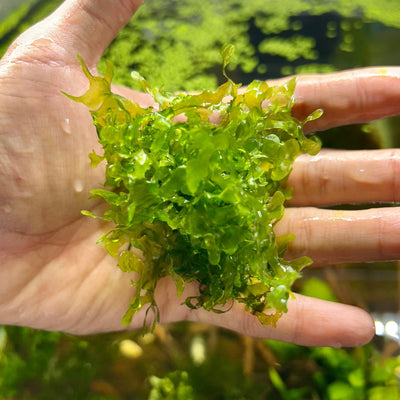
Subwassertang – Dense, leaf-like structure that shrimp love to hide and feed in.

🌱 Midground & Background Plants (Shelter & Stability)
-
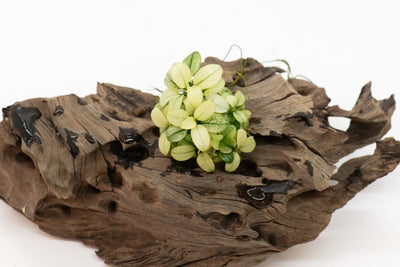
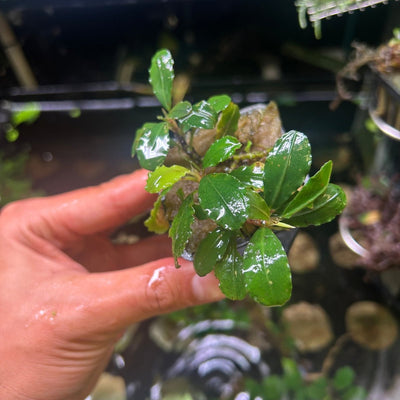
Anubias (Nana, Barteri, etc.) – Hardy plant with broad leaves that collect biofilm for shrimp to graze on.

-
Java Fern – Thrives in low light, easy to care for, and provides great cover.

-
Cryptocoryne (e.g., Crypt wendtii, Crypt parva) – Good for creating natural hiding areas.
-
Vallisneria – Long, grass-like leaves create a jungle effect in the background.
-
Dwarf Hairgrass (Eleocharis parvula) – Ideal for carpeting; shrimp enjoy foraging between blades.
☁️ Floating Plants (Improve Water Quality)
-
Amazon Frogbit – Long roots provide shelter and feeding areas.

-
Salvinia / Red Root Floater – Absorb excess nutrients and reduce nitrate levels.

-
Duckweed – Fast-growing and excellent for nutrient control (needs regular trimming).

🌾 Additional Good Options
-
Hornwort (Ceratophyllum) – Fast-growing, helps stabilize water parameters.

-
Hygrophila species – Easy stem plants that add structure and color.
Why These Plants Are Good for Shrimp
-
Provide hiding spots (important for baby shrimp).
-
Encourage biofilm growth, a natural food source.
-
Help maintain stable water parameters.
-
Offer protection during molting.